
Dress
Do Your Shoes and Bag Still Need to Match? The Modern Rules
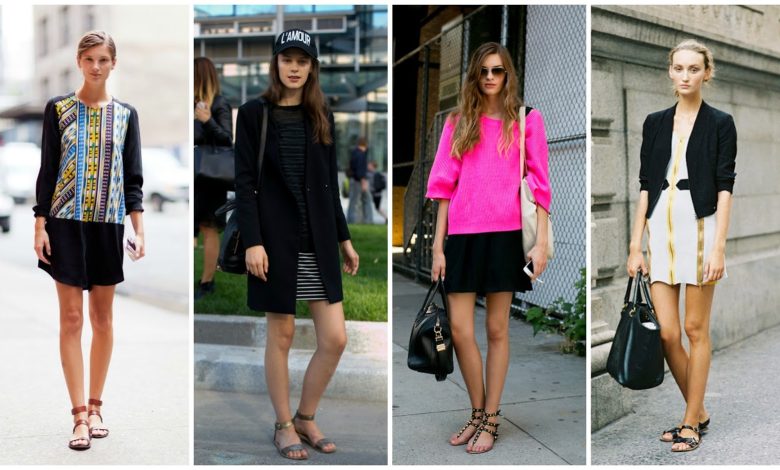
For generations, the unspoken cardinal rule of getting dressed was absolute, non-negotiable symmetry. If you stepped out the front door in black patent leather pumps, your shoulder bag had better be crafted from the exact same glossy black hide. If you opted for cognac riding boots, carrying anything other than an identical saddle-brown tote was treated as an embarrassing wardrobe oversight.
That rigid mandate was passed down through decades of etiquette guides, department store displays, and maternal advice. It offered a comforting, paint-by-numbers approach to personal style: match your leather goods, and you instantly look put together.
Today, that old-school formula has completely flipped. In modern fashion, stepping out with an identical, dye-matched shoe and handbag set rarely signals elegance. More often, it communicates the exact opposite: an outfit that feels stiff, overly calculated, and trapped in the mid-twentieth century.
Yet the death of the matching rule has created a fresh wave of morning anxiety. If your shoes and bag do not need to match, how on earth do you make them look like they belong in the same outfit? Abandoning the old rule does not mean descending into visual chaos. The modern aesthetic replaces rigid uniformity with visual dialogue. Your accessories no longer need to be identical twins; they just need to speak the same language.
The Mid-Century Origin and Eventual Demise of the Twin Set
To understand why matching your shoes and bag feels so dated now, it helps to understand why the rule existed in the first place.
The practice reached its peak in the 1950s, an era defined by hyper-structured post-war femininity. Fashion houses and luxury department stores sold coordinated sets—shoes, handbags, belts, and often even gloves—dyed in identical batches of leather. For the mid-century woman, wearing a fully coordinated accessory suite was a conspicuous display of wealth, leisure, and domestic order. It demonstrated that she possessed both the financial means to purchase matched sets for specific outfits and the time to curate every detail.
As fashion evolved through the late twentieth century, personal style shifted away from prescribed formality toward individual expression. The rise of casual wear, the integration of athletic sneakers into daily life, and the mixing of high and low fashion dismantled the notion of uniform dressing.
By the time luxury streetwear and Parisian street style redefined contemporary taste in the 2010s, the concept of “effortless chic” became the ultimate sartorial goal. Modern style prizes individuality, dimension, and ease. An outfit where your shoes and bag are carbon copies of each other feels staged, whereas an outfit that pairs contrasting pieces with intention feels lived-in, confident, and distinctly modern.
Why Exact Matching Often Backfires Today
When you match your shoes and handbag identically in a contemporary setting, two distinct visual problems usually emerge.
First, it flattens the outfit. Style relies heavily on texture, light reflection, and depth. When your accessories are made from the exact same color, finish, and material, the eye glides right over them without catching on anything interesting. An outfit composed of smooth black leather ankle boots, a smooth black leather tote, and a black belt creates a monotonous silhouette that lacks dimension.
Second, it reads as performative rather than natural. True personal style carries an air of nonchalance—the Italian concept of sprezzatura, or making something complex appear effortless. Exact matching reveals the gears turning behind the outfit. It shows that you spent considerable energy hunting down leather in the exact same colorway, which robs the look of spontaneity.
Instead of looking like a stylish person who effortlessly threw together exceptional pieces, an overly matched ensemble can easily make you look like a store mannequin dressed straight off a single display rack.
Modern Coordination: How to Pair Without Matching
Moving away from identical sets does not mean grabbing random accessories in the dark. Modern coordination relies on artful relationships between color, texture, and visual weight.
Build Tonal Families Instead of Identical Swatches
The most sophisticated alternative to exact matching is working within a tonal palette. Instead of pairing identical shades, choose accessories that belong to the same color family but vary in depth, warmth, or saturation.
If you are wearing warm neutrals, do not hunt for an exact camel bag to pair with camel boots. Instead, combine rich espresso boots with a warm cognac tote, or pair sand-colored suede loafers with an ivory leather shoulder bag. The pieces clearly share an organic, warm-toned DNA, but the tonal variance creates visual breathing room.
This approach works wonders with cool tones as well. Rather than matching black shoes with a black bag, pair deep slate-gray boots with a structured black tote, or pair charcoal sneakers with an inky navy crossbody. The slight shift in shade signals intentional curation rather than a failed attempt at matching.
Contrast Your Textures to Inject Tactile Depth
If you genuinely love wearing the same color for your shoes and bag—particularly universal staples like black, brown, or cream—the secret to keeping the combination modern is textural contrast.
When two items share the exact same hue, changing their tactile finish keeps them from looking like a catalog set:
-
Pair matte suede ankle boots with a sleek, polished box-calf leather handbag.
-
Combine high-shine patent leather loafers with a slouchy, pebbled leather shoulder bag.
-
Anchor woven raffia or canvas summer bags with minimalist, smooth leather slide sandals.
-
Contrast croc-embossed or snake-print boots with a minimalist, untextured leather tote.
The contrast in surfaces breaks up light differently. The glossy finish bounces light, the suede absorbs it, and the pebbled leather adds raw character. You get all the grounding stability of a monochrome palette without any of the mid-century rigidity.
The Anchor and Statement Dynamic
Every successful outfit needs a hierarchy. When you wear two loud, statement-making accessories at opposite ends of your body, they end up screaming over each other, dividing the viewer’s attention and cluttering your silhouette.
Apply the anchor and statement principle. Decide whether your shoes or your bag will serve as the hero piece of the outfit, and let the other accessory play a quiet, supporting role.
If you are stepping out in bold red ballet flats, a vibrant leopard-print kitten heel, or metallic silver combat boots, your handbag should act as the neutral anchor. Reach for an understated black, cream, or raw canvas bag that grounds the lower half of your body without competing for the spotlight. Conversely, if you are carrying an architectural, sculptural handbag or a bag with vibrant artistic patchwork, ground your feet in clean, minimalist loafers, pristine white sneakers, or understated leather boots.
Balance Hardware and Visual Temperature
While the leather colors do not need to match, the metal hardware across your accessories requires a bit more discipline.
A bag with heavy, antiqued brass chains and chunky gold turn-locks can look discordant if paired with shoes featuring ultra-shiny, cool-toned chrome buckles. You do not need absolute uniformity down to the grommet, but harmonizing the metal temperature—keeping warm metals with warm accents and cool silvers with cool hardware—creates an underlying thread of polish that pulls the entire look together.
Equally important is visual temperature. Pairing warm, yellow-undertoned caramel leather with icy, blue-toned cool gray can create a jarring visual clash. Make sure the accessories either share a warm baseline or lean decisively cool.
When Matching Actually Works: The Modern Exceptions
Fashion rules are rarely absolute, and there are deliberate scenarios where matching your shoes and bag is not only acceptable, but remarkably striking. The difference between looking chic and looking dated lies entirely in context and execution.
Monochromatic Architectural Dressing
Matching shoes and bags looks extraordinary when integrated into a full monochromatic outfit. If you are wearing head-to-toe cream—ivory trousers, an oatmeal cashmere knit, an off-white wool coat, paired with an ivory bag and bone leather boots—the accessories are not acting as a detached twin set. Instead, they are contributing to an expansive, architectural color story where the entire body is washed in a singular, luxurious tone.
The Intentional Color “Bookend”
There is a distinct difference between playing it safe with matching beige pumps and deploying an intentional, high-voltage pop of color.
If your outfit is entirely neutral—such as a classic navy trench coat, crisp white button-down, and relaxed vintage denim—bookending the look with matching cherry-red slingbacks and a matching cherry-red clutch creates an editorial punch. Here, the matching is not an adherence to antique etiquette; it is a bold stylistic exclamation point that cuts cleanly through an otherwise understated canvas.
Strict Formalwear and Black-Tie Events
Formal evening wear is the final frontier where classic matching retains real utility. When navigating red carpets, galas, or black-tie weddings, excessive visual noise can detract from the line of a gown or the tailoring of a tuxedo. A sleek satin evening clutch paired with delicate sandals in the exact same black, gold, or silver finish provides a quiet, refined frame that lets the formal garment take center stage.
Four Foolproof Accessory Formulas for Everyday Outfits
If you want to move away from matching but need dependable daily starting points, these four formulas will take the guesswork out of getting dressed.
1. The Sandwich Technique
The sandwich method is one of the most effective styling tricks in fashion. It involves balancing an element from the top of your outfit with an element at the bottom, creating a harmonious frame.
Instead of matching your bag to your shoes, match your bag to your jacket, coat, or knitwear, and let your shoes match your trousers or stay entirely neutral. For example, if you are wearing a camel overcoat over black denim, carry a camel leather bag and wear black ankle boots. The bag echoes the coat, the boots echo the pants, and the entire outfit feels grounded and structurally balanced from top to bottom.
2. The Casual Disruptor
One of the easiest ways to modernize a luxury or structured handbag is by pairing it with an intentionally casual shoe.
Take a ladylike, structured top-handle bag in polished leather and wear it with clean, retro white leather sneakers, relaxed trousers, and an oversized blazer. The high-low tension between the formal, elegant bag and the athletic footwear completely erases any stiffness, instantly making the outfit feel dynamic, youthful, and contemporary.
3. Shattering the Black-and-Brown Taboo
Old style manuals strictly forbade wearing black and brown together. In modern styling, pairing black and brown is considered one of the richest, most luxurious combinations you can create.
Try pairing black leather ankle boots with a rich cognac or chestnut leather shoulder bag, worn against an outfit of cream denim and a navy sweater. The pairing of deep black with warm earth tones mimics the organic color palettes found in nature, giving your outfit an expensive, equestrian-inspired finish that feels elevated precisely because it breaks the old rules.
4. Metallics as Everyday Neutrals
If you are constantly struggling to coordinate colors, introduce metallic accessories into your rotation. Silver, gold, bronze, and pewter function as high-shine neutrals that effortlessly bridge clashing elements.
A pair of subtle gold leather flats or understated silver sneakers pairs effortlessly with virtually any bag in your closet—black, burgundy, forest green, or canvas. The metallic element acts as jewelry for your feet, catching light and elevating casual basics without competing with the color story of your handbag.
Cultivating Confidence Over Conformity
At its core, the evolution of the shoe-and-bag rule reflects a broader, healthier shift in how we approach personal style. Getting dressed is no longer about checking off boxes on a list of societal expectations. It is about proportion, mood, narrative, and comfort.
The next time you stand in front of your mirror wondering whether your accessories go together, stop asking whether they match. Ask instead whether they complement each other. Do they balance the visual weight of your clothing? Do their textures play off each other in an interesting way? Does the combination make you feel energized, capable, and confident?
When you free your accessories from the burden of uniformity, you open up endless combinations within your existing wardrobe. You stop buying pieces solely because they match a specific pair of shoes, and you start investing in versatile, expressive items that tell a compelling story together. True elegance has never been about following a rigid manual; it is found in the effortless harmony of pieces that look sensational simply because you chose to wear them.
Meta Title: Do Your Shoes and Bag Still Need to Match? The Modern Rules
Meta Description: Wondering if your shoes and bag still need to match? Learn why the old rule is dead, modern styling formulas, and how to coordinate accessories flawlessly.