
The Essential Guide to Dresses: Styles, Fabrics, and Fashion Tips

Understanding the Timeless Appeal of Dresses
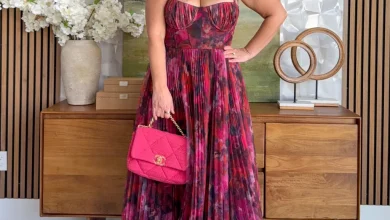
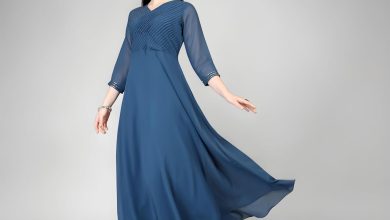
Dresses have remained a cornerstone of fashion for centuries, celebrated for their versatility, comfort, and ability to express personal style. From everyday casual wear to sophisticated evening attire, the world of dresses offers something for every occasion and personality.
Major Dress Categories
1. Casual Dresses
Casual dresses are designed for comfort and laid-back style. They are ideal for daily wear, outings, and warm weather.
- T-shirt dresses
- Shift dresses
- Sundresses
- Shirt dresses
2. Formal and Evening Dresses
When elegance is required, formal dresses step into the spotlight.
- Ball gowns for galas and weddings
- Evening gowns with flowing silhouettes
- Cocktail dresses suitable for semi-formal gatherings
- Mermaid or trumpet styles that highlight curves
3. Office and Professional Dresses
Professional dresses combine structure with style, offering a polished appearance.
- Sheath dresses
- Wrap dresses
- A-line dresses in solid or muted tones
These options project confidence without sacrificing comfort.
4. Party and Special-Event Dresses
Designed to stand out, these dresses feature bold cuts, prints, and embellishments.
- Sequined mini dresses
- Metallic fabrics
- Off-shoulder designs
- Bodycon silhouettes
Popular Dress Fabrics
Cotton
Breathable, soft, and easy to maintain. Cotton dresses are excellent for warm climates and casual outings.
Silk
Known for its luxurious sheen, silk is a top choice for evening gowns and high-end fashion.
Linen
Lightweight and airy, linen is perfect for summer dresses, especially in humid regions.
Chiffon
A delicate, flowy fabric often used in layered gowns and romantic silhouettes.
Velvet
Rich in color and texture, velvet dresses are favored for winter events and evening wear.
Choosing the Right Dress for Your Body Type
Hourglass Shape
Opt for wrap dresses, bodycon styles, and belted silhouettes to affirm your natural curves.
Pear Shape
A-line and fit-and-flare dresses balance proportions by drawing attention to the upper body.
Apple Shape
Empire waist and shift dresses help create a more streamlined look.
Rectangle Shape
Ruffled, layered, or cinched-waist dresses add definition and dimension.
Key Styling Tips
Accessorize Wisely
Statement jewelry, belts, and structured bags can transform a simple dress into a complete outfit.
Pick the Right Footwear
- Heels for formal settings
- Flats or sandals for casual wear
- Boots for autumn and winter outfits
Consider the Season
- Light fabrics in summer
- Knitted dresses for winter
- Layered looks for transitional weather
Fit Matters
A dress that fits well flatters more than the trendiest piece in the wrong size. Tailoring small adjustments can make a big difference.
Maintenance and Care Tips
- Follow fabric-specific washing instructions
- Use gentle detergents for delicate materials
- Store dresses on padded hangers to avoid stretching
- Keep beaded or sequined dresses in breathable garment bags
FAQs
1. How do I choose a dress suitable for both day and night?
Look for a versatile midi dress in a solid color that can be dressed up with accessories for the evening.
2. What is the best dress style for hot climates?
Sundresses made of cotton or linen offer maximum breathability and comfort.
3. Are maxi dresses flattering for petite women?
Yes, when paired with the right cut, such as vertical patterns or a defined waistline.
4. How often should I dry-clean silk dresses?
Only when necessary—avoid excessive dry-cleaning to preserve the fabric.
5. What dress works best for formal office settings?
A well-fitted sheath dress in neutral or dark tones is always appropriate.
6. Can I wear velvet dresses in warmer seasons?
Velvet is usually preferred for cooler months, but lightweight blends can work for evening occasions year-round.
7. What accessories complement a simple black dress?
Silver or gold jewelry, a clutch, and elegant heels elevate a classic black dress effortlessly.