
Dress
The Best Bra Solutions for Tricky Backless Dresses
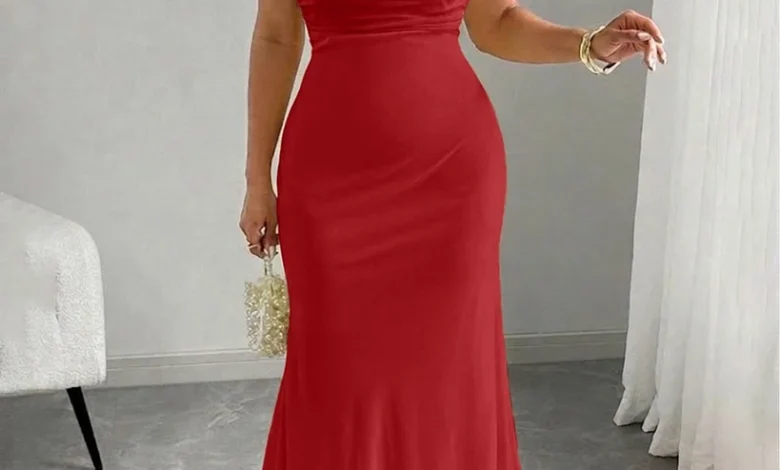
Backless dresses are among the most striking garments in modern fashion, yet they introduce an immediate architectural dilemma. When a dress dips below the shoulder blades or plunges down to the lumbar spine, standard undergarments become obsolete. The challenge lies in replacing the support network that a traditional bra band and shoulder straps provide without interrupting the clean, bare lines of the dress.
Conventional wisdom often suggests simply going without a bra, but that advice ignores the reality of varied breast sizes, personal comfort levels, and fabric choices that demand discreet coverage or shaping. Fortunately, the evolution of lingerie engineering, skin-safe medical adhesives, and clever tailoring techniques has made it possible to achieve dependable shape, lift, and security under virtually any open-back silhouette. Finding the right fix requires understanding the specific demands of your dress and matching them with the appropriate foundation method.
Assessing the Architecture of Your Dress
Before investing in undergarments, examine the structural details of your dress. Not all backless styles behave the same way, and the cut dictates which solutions will remain invisible throughout the night.
Look at three primary variables: the depth of the back plunge, the opacity and weight of the fabric, and the front neckline. A dress that drops only to mid-back can often conceal low-back strap extenders, while a garment that dips to the sacrum demands an entirely front-anchored solution.
Fabric choice is equally influential. Clingy, unlined fabrics like bias-cut silk or satin slip dresses will telegraph the seam lines of adhesive cups or textured tape. These materials require ultra-smooth, seamless options that sit completely flush against the skin. Conversely, heavier textiles like structured linen, double-faced crepe, or brocade provide natural coverage and can easily conceal thicker adhesive foundations, interior boning, or molded cups.
Adhesive Bras and Stick-On Cups
Adhesive bras have earned a mixed reputation over the years, largely because wearers often expect them to mimic the intense vertical lift of a conventional underwire bra. When used with realistic expectations, however, stick-on options provide exceptional nipple concealment, modest shaping, and reliable cleavage enhancement.
Silicone Cups vs. Fabric Backed Adhesives
Silicone cups are dense, flexible, and tapered around the edges, allowing them to melt seamlessly into the skin. They mimic the weight and feel of natural breast tissue, making them particularly effective under lightweight or semi-sheer fabrics where hard edges would otherwise show. However, because pure silicone has natural heft, it works best for low-impact movement and moderate temperatures.
Fabric-backed adhesive cups are considerably lighter. Constructed with molded foam interiors and smooth microfiber exteriors, they often feature a central clasp that pulls breast tissue inward toward the sternum. If your primary goal is forward projection and cleavage rather than dramatic vertical lift, a fabric adhesive bra is generally the more secure and breathable choice.
Application for Maximum Holding Power
The secret to applying adhesive cups lies in intentional placement rather than relying on surface stickiness alone. Instead of pressing the cups directly onto the center of your breasts, position each cup slightly lower and further outward toward the armpit. Lean forward, smooth the adhesive upward against the skin to gather breast tissue, and then secure the front clasp. This outward-to-inward motion gathers tissue from the sides, creating a stable front anchor that stays hidden beneath low-cut armholes.
Breast Tape: The True Gold Standard for Custom Lift
For backless dresses with tricky cutouts, asymmetric straps, or deep front plunges, breast tape provides unmatched versatility. Derived from kinesiology tape technology, high-grade apparel tape offers elastic stretch that mimics the movement of skin while delivering powerful, customizable lift.
The Halter Sling Technique
The vertical halter sling is ideal for dresses featuring a high front neck and a completely open back. After protecting the areola with a non-adhesive petal, anchor a strip of tape beneath the lower fold of the breast. Smooth the tape firmly upward across the breast tissue, apply gentle tension to achieve the desired height, and guide the strip up toward the collarbone or outer shoulder seam. This technique lifts the breast from below without requiring any anchoring across the spine.
The Side-Sweep Cross for Plunging Fronts
When a dress is both backless and cut low in the front, vertical taping is rarely an option. The side-sweep technique solves this by anchoring strips along the outer perimeter of the breast. Starting near the ribcage beneath the armpit, pull the tape horizontally and diagonally inward beneath the bustline, securing it against the lower ribcage or upper abdomen. This secures the bust against the torso, creating stability without exposing adhesive lines in either the front or the rear.
Non-Negotiable Application Rules
Never apply breast tape directly over unprotected nipples; always place a soft silicone or fabric petal over the center of the breast first. When applying the tape, anchor the first two inches on relaxed skin without stretching the material, pull tension through the center portion of the strip to generate lift, and smooth down the final two inches with zero stretch. Over-stretching tape at the anchor points places excessive shear stress on the skin, which can lead to friction blisters or epidermal irritation.
Low-Back Shapewear and Plunge Bodysuits
When full support, rib smoothing, and abdominal shaping are just as important as hiding your bra straps, adhesive solutions often fall short. This is particularly true for fuller bust sizes, where adhesive cups cannot counterbalance natural tissue weight over several hours.
Low-back bodysuits represent the pinnacle of modern foundation engineering. These garments use reinforced, deep-cut underwires, heavily bonded side panels, and low-slung posterior bands that fasten around the lower waist or upper hips—far below the backline of most formal dresses.
Many high-end low-back bodysuits also incorporate adjustable cross-back straps that can be angled downward. The tension from the lower torso anchors the front underwires firmly against the ribcage, providing genuine upward support without a visible band across the mid-back.
Low-Back Strap Converters
If you already own an everyday underwire bra that fits you impeccably and your dress simply cuts three to four inches lower than a standard back closure, a low-back strap converter offers an inexpensive, highly effective alternative.
A converter is an elastic extension strap that hooks into your standard bra’s rear closure. It wraps crisscross around your lower ribs, secures around your front waist, and pulls the back band downward into a deep V-shape. This lowers the rear line of your favorite bra by three to five inches while retaining roughly 70 percent of its original underwire support. While it will not work for dresses cut down to the waistline, it is often the most comfortable option for mid-low backs.
Sewn-In Cups: The Permanent Tailoring Solution
Sometimes the most sophisticated undergarment is the one that becomes part of the garment itself. If you are investing in a high-end backless formal dress, wedding gown, or cocktail dress, consulting a professional tailor to install internal bust support is almost always worth the investment.
A skilled tailor can insert molded foam cups, flexible spiral steel boning, or full corset stays directly between the outer fabric and inner lining of the bodice. This distributes the weight of the bust through the dress’s own waist seams, completely eliminating the need for independent undergarments. Sewn-in cups provide a flawless, smooth exterior profile with zero risk of shifting, peeling, or band exposure.
Skin Preparation and Safe Removal
Every adhesive foundation—whether it is a silicone cup, an adhesive wing bra, or breast tape—depends entirely on the condition of your skin. Proper preparation is the difference between an all-night hold and an embarrassing wardrobe malfunction.
Always wash the entire chest, underbust, and back with a simple, oil-free cleanser before dressing. Avoid all body lotions, oils, liquid bronzers, and perfumes in that area, as even microscopic moisturizer residues will dissolve adhesive bonds. Wipe the target skin with a light touch of rubbing alcohol and let it dry completely to ensure an uncompromising grip.
Removal requires equal care. Never rip adhesive cups or tape away from dry skin, which can cause painful skin peeling or epidermal abrasion. Instead, saturate the fabric or edges with baby oil, olive oil, or warm soapy water. Wait two to three minutes for the oils to break down the adhesive compound, and then gently roll the material away from your body.
Choosing the Right Option for Your Bust Size
While personal preference plays a role, breast volume dictates which structural solutions work best over long periods.
For smaller cup sizes, lightweight silicone petals or classic stick-on cups provide seamless coverage and adequate shape without excess bulk.
For medium cup sizes, multi-strip breast taping or structured adhesive wing bras offer the ideal balance between vertical lift and open-back freedom.
For fuller busts, low-back underwire bodysuits or tailor-installed bodice boning provide the mechanical reinforcement required to hold weight comfortably throughout the evening.
A dramatic open-back gown should inspire confidence, not anxiety. Once you move past the limitations of traditional bra styles and look at support through the lens of tailored tension, medical adhesives, and custom placement, tricky backless cuts become effortlessly wearable. Select the solution that respects both your dress’s neckline and your body’s unique anatomy, and you can enjoy your evening without a single backward glance.