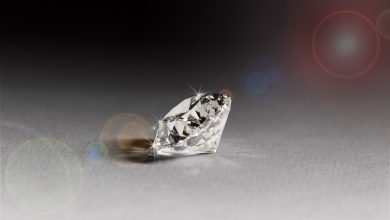

Ultimate Jewelry Guide: Types, Materials, Care Tips & Buying Advice

Introduction
Jewelry has been cherished for centuries as a symbol of beauty, status, culture, and personal expression. From elegant gold chains to intricate gemstone pieces, jewelry enhances appearance and carries emotional significance. Whether you enjoy classic styles, contemporary designs, or handcrafted art pieces, understanding jewelry helps you choose pieces that truly reflect your personality and last for generations.
What Is Jewelry?
Jewelry refers to decorative adornments worn for personal beauty, cultural representation, or symbolic meaning. It is typically crafted from precious metals, gemstones, beads, and artistic materials. People wear jewelry for celebrations, traditions, fashion, and even sentimental reasons tied to family heritage.
Popular Types of Jewelry
1. Necklaces
Necklaces come in various lengths and designs, including:
- Chains and chokers
- Pendants
- Statement necklaces
- Beaded or gemstone strands
2. Earrings
Earrings enhance facial features and vary widely in style:
- Studs
- Hoops
- Drop earrings
- Ear cuffs
3. Rings
Rings symbolize everything from commitment to personal style:
- Engagement and wedding rings
- Cocktail rings
- Band rings
- Stackable rings
4. Bracelets
Bracelets highlight the wrists and add elegance:
- Charm bracelets
- Bangles
- Cuffs
- Tennis bracelets
5. Anklets
Anklets are popular for both casual and festive looks.
6. Brooches and Pins
These decorative pieces add flair to clothing and accessories.
Common Materials Used in Jewelry
Precious Metals
- Gold: Available in yellow, white, and rose varieties; valued for durability and shine.
- Silver: Affordable and versatile; often used for minimalist pieces.
- Platinum: Extremely durable, hypoallergenic, and ideal for fine jewelry.
Gemstones
- Diamonds: Known for brilliance and strength.
- Rubies, Emeralds, Sapphires: Valued for vibrant colors and rarity.
- Semi-precious stones: Amethyst, topaz, citrine, opal, garnet, and more.
Alternative Materials
- Stainless steel
- Titanium
- Resin
- Wood
- Leather
These materials often appear in modern and handmade jewelry designs.
Jewelry Craftsmanship
Handcrafted Jewelry
Handmade pieces reflect artistry and individuality. They often include unique designs, intricate details, and personal craftsmanship.
Machine-Made Jewelry
Machine-made jewelry ensures uniformity, precision, and affordability—ideal for mass-produced collections.
Custom Jewelry
Custom-made pieces allow clients to personalize designs, metals, and gemstones, creating meaningful keepsakes.
Benefits of Wearing Jewelry
Personal Expression
Jewelry highlights personal style and complements individual personality.
Cultural Identity
Many pieces hold traditional and ceremonial value.
Symbolism
Rings, pendants, and bracelets often symbolize love, milestones, and memories.
Enhancing Outfits
Jewelry elevates everyday looks and transforms simple outfits into elegant ensembles.
Current Trends in Jewelry
- Sustainable and recycled metals
- Lab-grown diamonds
- Minimalist fine jewelry
- Bold statement pieces
- Layered necklaces and stacked rings
- Vintage and retro-inspired designs
How to Choose the Right Jewelry
Know Your Style
Choose pieces that resonate with your fashion preferences and lifestyle.
Consider Skin Tone
Warm metals complement warm skin tones, while cool metals flatter cool undertones.
Evaluate Quality
Check hallmarks, gemstone clarity, cut, and craftsmanship before buying.
Set a Budget
Quality jewelry comes in all price ranges—set a comfortable budget before shopping.
Buy From Trusted Sellers
Reputable jewelers ensure authenticity, warranties, and fair value.
Jewelry Care Tips
Regular Cleaning
Use mild soap, warm water, and a soft cloth to keep jewelry shining.
Proper Storage
Store each piece separately to avoid scratches.
Avoid Chemicals
Remove jewelry during cleaning, swimming, or using harsh products.
Professional Maintenance
Periodic inspections keep gemstones secure and metals polished.
FAQ
1. What is the best metal for everyday jewelry?
Gold, platinum, and stainless steel are durable and ideal for daily wear.
2. Are lab-grown diamonds real?
Yes, they are chemically and physically identical to natural diamonds but created in controlled environments.
3. How can I tell if a gemstone is genuine?
Professional jewelers can verify authenticity through certified testing.
4. What jewelry is best for sensitive skin?
Hypoallergenic metals such as platinum, titanium, and surgical stainless steel work well.
5. How often should jewelry be professionally cleaned?
Experts recommend cleaning every 6–12 months for optimal shine and safety.
6. Is handcrafted jewelry more valuable?
Handcrafted pieces often carry artistic value and uniqueness, making them highly prized.
7. Can gold tarnish over time?
Pure gold does not tarnish, but alloys in lower karat gold may darken with exposure.
If you’d like, I can also create a version tailored for a jewelry brand or convert this into a downloadable brochure or PDF.