

Fashion
How to Pull Off the Sneakers and Dress Combo Like a Fashion Editor
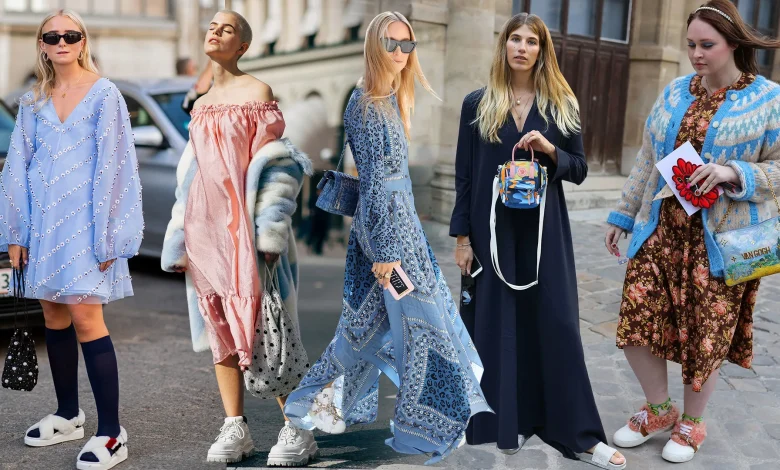
There is a distinct difference between throwing on athletic shoes for a brisk commute and curating an outfit where a dress and sneakers feel intentionally paired. For years, pairing running shoes with dresses was viewed purely as a matter of subway survival—a pragmatic compromise made by women who packed their heels in a tote bag. Today, fashion editors, stylists, and creative directors treat this exact combination as a pillar of modern dressing.
The secret lies in tension. Great style rarely happens when every element of an outfit sings in the same key. A delicate slip dress paired with strappy stilettos can feel predictable or overly formal for an afternoon gallery opening. Swap those heels for a low-profile retro runner, and the entire narrative changes. You introduce friction between high and low, soft and utilitarian, precious and relaxed. Pulling this off without looking sloppy requires an understanding of proportion, silhouette balance, and material weight.
Here is how the fashion set consistently masters the sneaker-and-dress equation, broken down into actionable styling principles.
Master the Rule of Proportions and Silhouette Balance
The cornerstone of styling footwear with dresses is counterweight. Footwear creates a visual anchor at the base of your outfit, and the profile of your shoe must communicate with the volume of your dress. When an outfit looks slightly off, mismatched proportions are almost always the culprit.
Pair Voluminous Silhouettes with Streamlined Soles
If you are wearing an oversized poplin shirt dress, a tiered prairie maxi, or a smocked dress with billowing sleeves, your dress already owns the room. Adding a heavy, chunky platform or a bulky trail runner often creates visual clutter, making the overall silhouette feel bottom-heavy and chaotic.
Instead, anchor billowing volumes with a sleek, low-profile trainer. Think along the lines of classic court shoes or slim leather silhouettes that sit flat against the foot. A low vamp—the portion of the shoe that cuts across the top of your foot—allows the ankle to remain visible, cutting through the excess fabric and grounding the garment without competing with it.
Balance Body-Skimming Cuts with Architectural Volume
Conversely, a clingy ribbed-knit midi dress, abias-cut satin slip, or a tailored sheath dress often feels too fragile when paired with an ultra-thin, wafer-like flat shoe. Here, a sneaker with more architectural presence works wonders.
A chunky dad shoe, a vintage basketball sneaker, or a trail runner with a sculpted midsole provides substantial visual weight. The substantial sole counterbalances the narrow line of your torso and hips, keeping the overall vibe relaxed rather than nightclub-bound. The sneaker effectively dial downs the overt sensuality of the dress, converting it into chic daytime streetwear.
Mind the Ankle Break: Hemlines and Exposed Skin
The relationship between your hemline and the collar of your sneaker determines your vertical proportions. A few inches of exposed skin can make the difference between looking elongated or abruptly truncated.
The Tricky Midi Dress
The midi length is notoriously versatile, but it hits at the widest part of the calf. When paired with a sneaker that climbs too high on the ankle, the leg line gets visually chopped in half.
To maintain clean lines with a midi hem:
-
Opt for low-cut sneaker collars that sit well below the ankle bone.
-
Ensure there are at least three to four inches of exposed calf between the dress hem and the shoe.
-
If the dress has an asymmetrical hem or a side slit, lean into it; dynamic movement through the skirt automatically breaks up the visual block.
The Floor-Grazing Maxi
Maxi dresses carry an inherent bohemian or evening drama. When styling them with sneakers, hem length is paramount. A maxi hem should graze the top of the sneaker laces without pooling on the pavement or folding into clumsy breaks.
Sneakers with a slight platform or an elevated midsole—around one to one-and-a-half inches—offer the lift needed to keep your hems pristine while providing the casual posture that flatters long, sweeping fabric.
The Casual Mini
Mini dresses are the easiest to style with footwear because leg real estate is abundant. The only pitfall is leaning too juvenile. To keep the look editorial rather than collegiate:
-
Pair playful mini dresses with vintage-inspired athletic runners rather than pristine, pristine tennis shoes.
-
Consider proportions: an A-line mini pairs beautifully with a slightly heavier trainer, while a tight mini looks effortlessly cool when toned down with an oversized blazer and retro trainers.
The Sock Dilemma: Invisible or Deliberate?
Footwear styling does not stop at the shoe; socks are a deliberate styling tool. Wearing the wrong sock can derail an otherwise impeccably considered outfit.
For a sleek, minimalist aesthetic—especially when wearing feminine dresses like tea-length silk styles or romantic florals—use completely invisible no-show socks that leave the ankle bare. This keeps the look crisp and modern.
However, if you want an intentional high-fashion look, lean into the crew sock. A ribbed athletic white crew sock pushed down slightly at the ankle, worn with a tailored blazer dress and technical sneakers, nods to retro sportswear aesthetics. The key is intent: your socks should look either completely invisible or clearly styled, never like an accidental afterthought.
Contrast Textures and Fabric Weights
Styling like an insider means embracing unexpected fabric juxtapositions. If your dress is casual and your sneakers are casual, the result often feels plain. Real style happens in the contrast.
Try pairing high-shine fabrics with matte leathers and technical meshes:
-
Silk and Suede: A fluid satin slip dress worn with suede-accented vintage trainers strikes the perfect balance between luxury and ease.
-
Linen and Leather: A breathable, structured summer linen dress looks grounded and urban when paired with crisp leather tennis shoes.
-
Heavy Knits and Technical Mesh: A thick cable-knit sweater dress for autumn pairs seamlessly with technical trail-running sneakers, leaning into an outdoorsy, utilitarian narrative.
Avoid matching sports-casual fabrics with basic gym shoes unless you are genuinely headed to a workout. A jersey T-shirt dress paired with basic running trainers tends to look unfinished rather than styled. If your dress fabric is casual, elevate it with crisp leather sneakers and intentional jewelry.
Master Color Curation and the Sandwich Rule
Monochrome white sneakers are reliable, but fashion editors rely on color relationships to tie an entire outfit together.
One of the most effective methods is the Sandwich Rule. This styling technique balances your outfit by matching the color or vibe of your shoes to an element on the top half of your body, creating visual cohesion.
If you are wearing green-and-white retro trainers, you might throw a matching green crewneck sweater over your shoulders, wear olive-toned sunglasses, or carry a hunter-green handbag against a crisp white dress. The repetition of color across different vertical planes frames the dress and makes the sneaker choice feel wholly intentional.
If you prefer tonal dressing, explore monochrome palettes. An oatmeal-colored knit dress paired with beige suede trainers and a camel coat creates an expensive, elongated look that feels effortlessly luxurious. When color-blocking, let either the dress or the shoes take the spotlight. A vibrant floral sundress calls for clean, understated neutral sneakers, while a simple black poplin shirt dress provides a striking canvas for electric-colored trainers.
Layer with Structured Outerwear
The bridge between a dress and athletic footwear is often a sharp piece of outerwear. A dress and sneakers on their own can sometimes skew excessively casual. Adding a tailored third piece instantly shifts the ensemble into sophisticated territory.
An oversized menswear-style blazer is the ultimate bridge. The sharp shoulder line and lapel structure provide formal authority, balancing the casual nature of the shoes and the fluid drape of the dress. Similarly, a classic double-breasted trench coat or a leather jacket introduces structure and grit, tying the high-and-low components of your outfit together.
Three Ready-to-Wear Editor Formulas
When in doubt, rely on these field-tested combinations that work across seasons and occasions:
-
The Power Lunch Formula: A tailored midi-length shirt dress in crisp cotton poplin, paired with minimalist white leather court sneakers, an oversized wool blazer, and structured tortoiseshell sunglasses.
-
The Off-Duty Gallery Crawl: A bias-cut black slip dress layered under an unbuttoned denim overshirt or lightweight knit, finished with chunky retro runners and a crossbody bag.
-
The Summer Weekend: A tiered A-line midi sundress paired with slim canvas high-tops, gold hoop earrings, and a woven tote bag.
By treating sneakers not as a practical compromise but as a deliberate styling tool, you completely redefine the versatility of your wardrobe. Focus on silhouette balance, respect the breaks at your ankles, and let visual tension do the heavy lifting.


