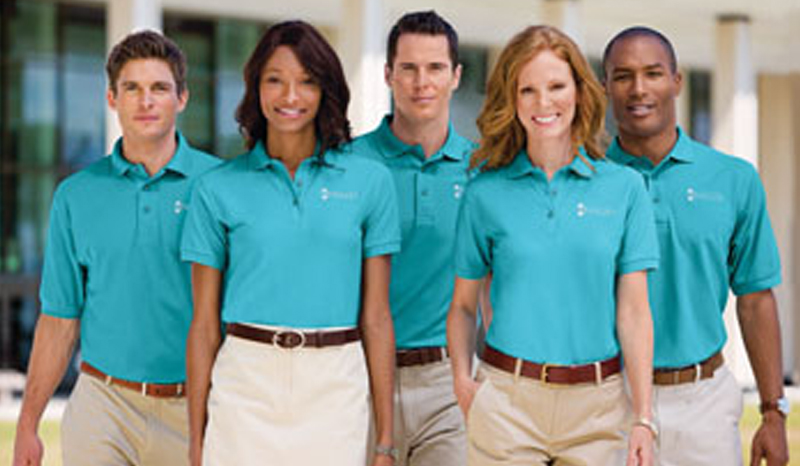

Essential Guide to Apparels: Types, Trends & Buying Tips

Apparels represent far more than basic garments—they reflect personal identity, lifestyle, and cultural expression. From everyday wear to specialized outfits, the world of clothing continues to evolve with technology, sustainability movements, and fashion innovation. This guide explores the core categories of apparels, what influences buying choices, and how modern consumers shape trends.
Understanding the Apparel Industry
The apparel sector is one of the largest global industries, spanning manufacturing, retail, and design. Today’s clothing ecosystem blends style, comfort, and function to meet the demands of diverse lifestyles. With online shopping and fast-fashion growth, access to trending outfits has never been easier.
Major Categories of Apparels
Everyday Wear
These items suit daily routines and offer a balance of comfort and versatility.
- T-shirts and tops
- Jeans and trousers
- Jackets and hoodies
- Casual dresses
Formal and Business Attire
Designed for work environments, corporate meetings, and professional settings.
- Blazers and suits
- Dress shirts
- Pencil skirts and tailored pants
- Formal gowns
Sports and Activewear
Built for performance, flexibility, and breathability.
- Sports bras
- Leggings and track pants
- Compression wear
- Moisture-wicking tops
Ethnic and Cultural Clothing
Apparels that reflect heritage and traditional craftsmanship.
- Sarees, lehengas, and kurtas
- Kimonos
- Abayas
- African print dresses
Winter and Seasonal Wear
Specialized garments for cold climates or transitional seasons.
- Wool coats
- Thermal wear
- Scarves and gloves
- Knit sweaters
Features to Consider When Choosing Apparels
Fabric Quality
High-quality materials ensure durability and long-term comfort. Popular fabrics include:
- Cotton for breathability
- Linen for warm weather
- Wool for insulation
- Polyester blends for performance
Fit and Comfort
Proper fit enhances overall appearance and mobility. Tailored options are often favored for professional outfits.
Sustainability
Eco-conscious clothing is gaining popularity, with brands embracing:
- Organic fabrics
- Recycled materials
- Ethical manufacturing
- Slow-fashion principles
Functionality
Modern apparel often integrates features like stretch technology, water resistance, UV protection, and wrinkle-free finishes.
Trends Shaping Today’s Apparel Market
Rise of Athleisure
Clothing that combines style with performance now dominates casual fashion.
Digital Customization
Consumers can design or personalize outfits with online tools.
Minimalist Wardrobes
Capsule wardrobes are trending as people prioritize quality over quantity.
Gender-Neutral Fashion
Unisex clothing lines promote fluidity and inclusivity.
How to Build a Reliable Wardrobe
Invest in Basics
Essential pieces create the foundation for multiple outfits:
- Basic tees
- Neutral trousers
- Denim jackets
- Solid color dresses
Add Statement Items
These elevate the wardrobe with personality and visual impact.
Prioritize Comfort
Comfortable apparels ensure confidence in daily wear.
Maintain Proper Care
Follow wash instructions to extend garment life and preserve color.
FAQ
1. What fabrics are best for sensitive skin?
Natural fibers like cotton, bamboo, and linen are generally more suitable for sensitive skin.
2. How often should I replace everyday wear?
Most daily apparels last six months to a year depending on usage and quality.
3. What is the difference between activewear and athleisure?
Activewear is designed for workouts, while athleisure combines sporty looks with casual comfort.
4. Are sustainable apparels more expensive?
They can cost more due to ethical production, but they often last longer.
5. How do I choose the right fit online?
Use size charts, read customer reviews, and measure yourself accurately.
6. What wardrobe staples should everyone own?
A good pair of jeans, basic tees, a versatile jacket, and comfortable shoes.
7. What makes a fabric breathable?
Loose weaves and natural fibers allow air circulation, making clothing cooler.