
Dress
The Petite Guide to Styling Maxi Dresses: Proportions, Hemlines, and Tailoring
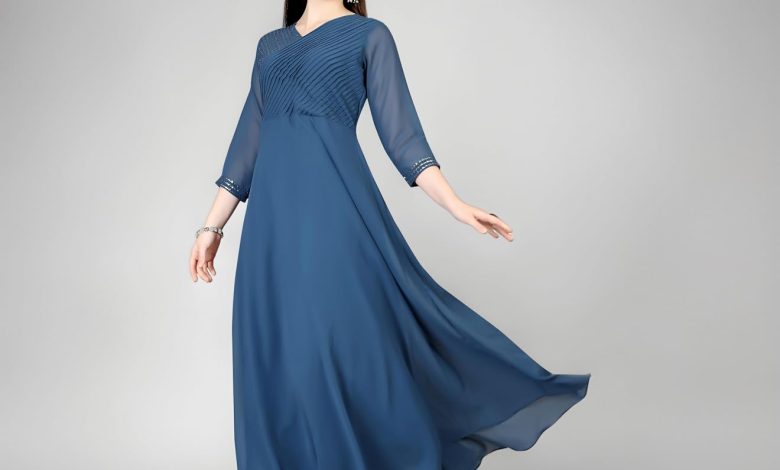
For decades, standard style advice insisted that women under 5’4″ should avoid floor-sweeping lengths altogether. The prevailing logic warned that expansive yardage would swallow a smaller frame, make legs disappear, and disrupt natural balance. That rule has become obsolete.
A maxi dress does not automatically overwhelm a petite frame; poorly engineered proportions do. In fact, a continuous line of fabric from bodice to floor can create an unbroken vertical plane, producing an elongating visual effect that shorter skirts rarely replicate. The difference between looking drowned in fabric and looking statuesque comes down to architectural principles: managing fabric volume, defining the natural waistline, exposing skin strategically, and understanding where seams fall on a shorter torso.
Understanding the Visual Mechanics of Proportion
Dressing a petite frame is an exercise in visual balance rather than physical disguise. When the human eye scans an outfit, it looks for structural anchor points. If a garment lacks these anchors, the eye registers a broad, formless block of fabric, which causes the wearer to appear shorter and wider than they actually are.
The traditional rule of thirds serves as the foundation for flattering petite styling. When a dress visually divides the body into equal halves (a 1:1 ratio), it cuts horizontal lines across the figure, exaggerating short proportions. Instead, aiming for a 1:2 ratio—where the torso represents one-third of the overall silhouette and the skirt claims the remaining two-thirds—instantly gives the impression of longer legs.
Fabric weight plays an equal role in this geometric balance. Stiff textiles such as heavy brocades, rigid cotton canvas, or multi-layered organdy stand away from the body, adding horizontal volume. Petite styling thrives on fluid movement. Breathable fabrics like washed silk, rayon, crepe, modal, and high-twist jersey drape close to the natural contours of the body. They drop straight down with gravity, maintaining a slender vertical silhouette without adding unnecessary bulk.
Silhouettes That Work in Your Favor
Not all maxi dresses share the same underlying architecture. While taller bodies can occasionally pull off sack silhouettes or unstructured smocks through height alone, a smaller frame requires intentional construction.
The Defined-Waist Wrap Dress
The wrap dress remains a classic for petite bodies because of its natural diagonal construction. A true wrap or faux-wrap silhouette introduces dynamic diagonal lines across the chest and hips, which naturally direct the viewer’s eye upward rather than outward. The adjustable tie allows the wearer to customize the cinch point to the narrowest section of the ribcage, anchoring the dress firmly in place while creating a graceful cascading skirt.
High-Waisted and Empire A-Lines
An empire waist sits just beneath the bustline, while a raised natural waist sits roughly an inch above the belly button. Both cuts artificially raise the starting point of your legs, granting several visual inches to the lower body. When paired with a gentle A-line skirt—one that skims over the hips without billowing into a voluminous ballgown—the shape remains controlled, elegant, and proportionate.
Column and Slip Silhouettes
For those who prefer minimalist aesthetics, the bias-cut slip dress or column maxi provides an exceptional option. Because these styles fall in a continuous, narrow column, they produce an uninterrupted stream of fabric from top to bottom. As long as the cut is tailored to skim rather than cling, the eye travels effortlessly up and down the length of the garment.
Managing Hemlines and Slits
The difference between a maxi dress that elongates and one that drags down the silhouette often comes down to an inch or two at the hem.
A maxi dress for a woman under 5’4″ should never pool on the floor or drag across the pavement. Ground-grazing fabric creates a bottom-heavy silhouette that draws the eye straight to the feet. Ideally, the hemline should hover roughly half an inch above the floor when wearing your chosen footwear, or just graze the tops of your shoes. This positioning conceals the exact beginning of your foot, suggesting that your legs extend all the way down, while preventing the dress from looking rented or borrowed.
Ankles can also serve as an asset. A dress that finishes right at the top of the ankle bone (often termed an “ankle-length” maxi) allows the thinnest part of the leg to remain visible. Exposing this natural transition point signals the frame underneath the dress, keeping the fabric from feeling suffocating.
Thigh-high or calf-length slits provide another practical advantage. By introducing vertical negative space into the skirt, a slit breaks up the sheer yardage of a full-length piece. Every time you step forward, the visible line of the leg interrupts the solid block of color, preserving your body’s shape in motion and preventing the skirt from acting like a moving curtain.
Necklines, Straps, and Upper-Body Framing
What happens at the top of the dress dictates how the rest of the fabric reads. If a maxi dress features a high, suffocating crew neck, thick long sleeves, and a floor-length hem, the body becomes completely enclosed in textiles.
Opening up the neckline brings immediate balance to full-length coverage. Deep V-necks, sweetheart necklines, square cuts, and scooped collars draw attention to the clavicle, collarbone, and neck. This open skin balances out the substantial fabric trailing below the hips.
Strap thickness also deserves scrutiny. Thick, wide shoulder straps or heavily padded shoulders can look disproportionately bulky on a petite torso. In contrast, spaghetti straps, halter ties, or delicate cap sleeves keep the shoulders light and defined. If you prefer sleeves for modesty or cold weather, opt for three-quarter lengths or push full-length sleeves up toward the forearms. Exposing the wrist—another narrow anchor point—reminds the eye of your actual proportion beneath the garment.
The Rule of Scale: Prints, Patterns, and Textures
Fabric patterns can either work with a petite frame or swallow it entirely. Scale is everything. A massive, floor-to-ceiling botanical print designed for a six-foot runway model will often overwhelm someone under 5’4″, as only a fraction of each individual flower or motif fits on the garment’s panels.
When shopping for prints, prioritize:
-
Micro to Mid-Scale Motifs: Ditsy florals, micro-geometrics, fine polka dots, and delicate abstract motifs distribute color evenly without taking over the garment.
-
Vertical Patterns: Pin stripes, vertical ribbing, directional pleats, and ombré gradients that shift from lighter to darker downward naturally draw visual focus up and down.
-
Monochromatic and Tonal Palettes: A solid color or tonal variation reduces visual breaks. When an entire outfit consists of shades in the same family, the unbroken color plane creates seamless height.
-
Muted Contrast: If selecting a two-tone pattern, moderate contrast between the background and the foreground looks softer and less disruptive than harsh, jarring blocks of contrasting colors.
If you love bold prints, select a design with negative space between the motifs. Negative space gives the eye a resting place, ensuring the print feels curated rather than suffocating.
Layering Outerwear Without Losing Shape
Colder weather or formal settings often require an additional layer over a maxi dress. This is where many petite outfits lose their definition, as an oversized coat combined with a floor-length dress forms a bulky rectangle.
The simplest rule for layering over a maxi is to respect the waistline. A cropped jacket—whether a denim jacket, structured leather moto, or tailored blazer—that hits precisely at your natural waist preserves your 1:2 visual ratio. The cropped hem reinforces the high waistline established by the dress, keeping the lower body looking elongated.
If you prefer long outerwear, opt for a tailored, unbuttoned duster coat that falls to the same hemline as your dress, or finishes a few inches above it. Wearing a long jacket open creates two stark vertical lines down the front of the body, slimming your profile while adding refined visual movement. Avoid hip-length, boxy jackets that finish across the widest part of your hips; this mid-point break cuts the torso in half and undoes the vertical flow of the dress.
Footwear Strategies That Extend the Leg Line
Footwear completes the structural architecture of a maxi dress. While high heels are an obvious solution for height, they are by no means mandatory. Thoughtful flat and low-heeled footwear works just as effectively when the silhouette matches the garment.
For heels, a platform sandal, block heel, or delicate stiletto provides physical elevation while lifting the hem comfortably off the ground. Skin-toned sandals or minimalist ankle straps reduce visual interruption at the base of the outfit.
For flats, shape matters far more than sole thickness. Rounded, bulky toe boxes stop the eye abruptly. Instead, select pointed-toe mules, sleek pointed-toe flats, or low-profile sandals that extend the visual line of the foot. When the toe box tapers slightly outward from beneath the hem, it carries the vertical line forward into the room rather than truncating it at the hemline.
In colder months, pair your maxi with sleek, close-fitting ankle boots or tall boots that tuck cleanly under the skirt. Ensure there is no awkward gap of bare skin between the boot top and the hem unless the dress features a deliberate slit; a continuous transition from skirt to boot leather preserves that essential seamless vertical sweep.
The Tailoring Checklist for Petites
Standard fashion retail designs garments around an average height model of 5’8″. As a result, petite women often find that standard dresses do not simply hang too long at the hem—they sit incorrectly at the bust, shoulders, and waist.
Hiring a good tailor is the single most transformative investment a petite shopper can make. When evaluating a maxi dress for tailoring adjustments, review these specific construction zones:
-
Shortening the Hem: This is the most common fix. Always bring the specific shoes you plan to wear to the fitting so the tailor can measure the drop accurately.
-
Lifting the Bodice at the Shoulders: If the armholes gape or the neckline plunges too deep, shortening the shoulder straps or lifting the shoulder seams brings the entire torso up. This adjustment immediately repositions the waist seam to sit on your actual ribcage rather than sinking to your hip bones.
-
Tiered Dresses: Be cautious when hemming dresses featuring tiered ruffles. Taking six inches off the bottom ruffle can throw off the tiered symmetry, leaving the bottom tier looking squashed. An experienced tailor will often detach the bottom tiers and adjust the length from an upper panel to maintain the designer’s original proportions.
-
Waist Cinching: Taking in excess fabric at the side seams or along the back darts removes sagging, preventing the dress from tenting away from your lower back.
Viewing a maxi dress as a collaborative canvas between the off-the-rack garment and your tailor removes the frustration of shopping. Once you identify silhouettes that honor your natural lines, manage the volume of your fabrics, and place your hemlines with intention, the maxi dress becomes one of the most flattering, comfortable, and chic garments in your wardrobe.