

What Makes Certain Natural Diamonds Exceptionally Rare?
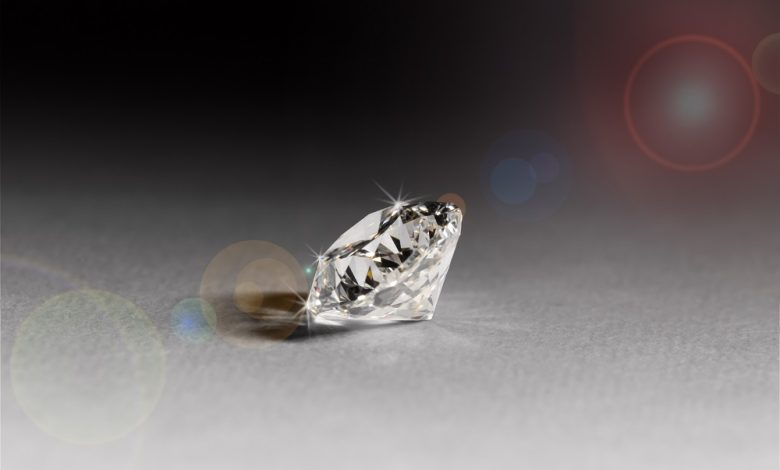
Natural diamonds have fascinated people for generations because of their remarkable journey beneath the Earth’s surface.
While every natural diamond is scarce, some are even more unique due to the extraordinary conditions required for their formation. Their special characteristics make rare diamonds widely appreciated by discerning buyers and admirers of fine jewellery.
This article explores the natural factors that make certain natural diamonds distinctive.
Why Some Natural Diamonds are Incredibly Scarce
Deep Earth Formation
Natural diamonds form deep within the Earth’s mantle, around 150-200 kilometres below the surface, under intense heat and pressure over billions of years. Their formation depends on highly specific geological conditions that only occurred during certain periods in ancient planetary history.
Since these requirements are so precise, the total number of accessible diamond mines beneath the Earth is finite. Since they cannot be recreated by nature on demand, every natural diamond is an extraordinary geological marvel.
Volcanic Eruptions
Natural diamonds formed underground rely on powerful volcanic activity to reach the Earth’s surface. Ancient volcanic eruptions, through kimberlite pipes, brought them closer to human society.
Since these geological events no longer take place, all natural diamonds are discovered through existing pathways, making every accessible natural diamond a finite treasure.
Rare Chemical Elements and Colours
While most natural diamonds are colourless or display light yellow or brown tones, rare geological conditions can create extraordinary colours such as blue, pink, green and red. In their purest form, natural diamonds are made entirely of carbon atoms arranged in a tightly bonded crystal lattice.
However, trace elements introduced deep within the Earth during their formation can influence their colour without altering this crystal structure. For example, boron gives rise to rare blue diamonds, while nitrogen creates yellow hues.
These uncommon conditions occur in only a tiny fraction of mined diamonds, making naturally coloured diamonds exceptionally rare and highly sought after by collectors and jewellery enthusiasts.
Clarity Levels
During their formation, most natural diamonds trap tiny mineral inclusions inside their crystalline structure. Finding a natural diamond with complete purity and no visible inner flaws is quite unusual.
Diamonds that achieve flawless clarity levels allow light to pass through without any internal disruption. They require flawless subterranean conditions during their prolonged geological journey.
Thus, the rarity of a rough diamond with flawless clarity elevates its value in fine jewellery.
Large Crystal Size
Most natural diamonds recovered from the Earth are small crystals that weigh under one carat.
For a diamond to grow into a large size, it requires steady geological conditions over vast periods. Even when large rough crystals do manage to form, they often fracture during their journey to the surface, making them among nature’s most exceptional and uncommon treasures.
Furthermore, during extraction and cutting, natural diamonds lose a considerable portion of their original weight, making large finished diamonds even rarer.
Final Words
The rarity of certain natural diamonds comes from a phenomenal combination of time, geology and nature’s unique conditions. Understanding these factors makes it easier to appreciate the incredible story behind each exceptional natural diamond.


